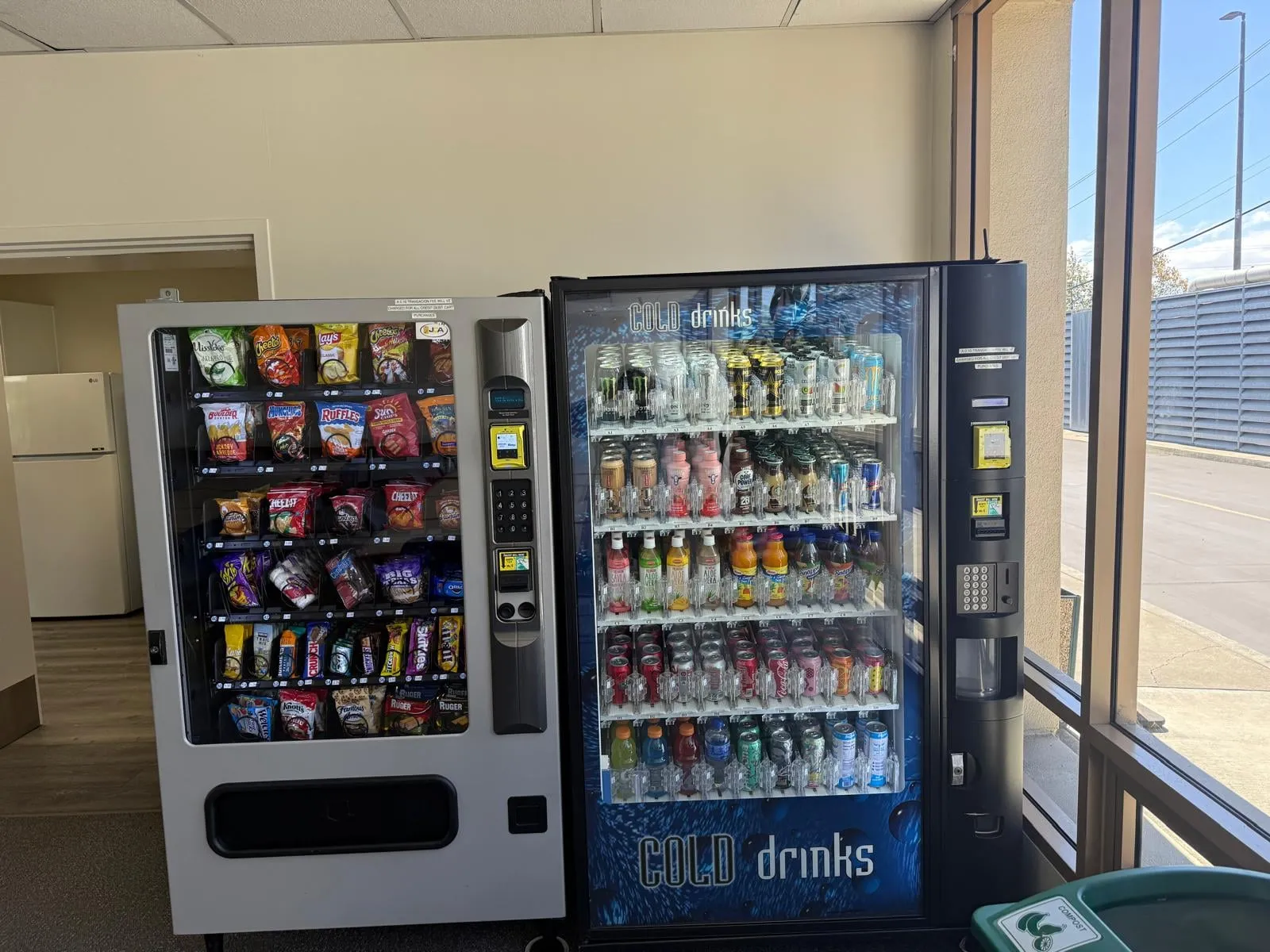
No, you don’t need an LLC to own or run a vending machine in California. You can start as a sole proprietor. What you usually do need is a seller’s permit from the CDTFA, which is free. You also need a business license from the city where the machine is. If you sell perishable food, you need a county health permit too.
An LLC is optional. It costs real money in California every year, so decide on purpose. Below are the requirements as we understand them as a Bay Area operator, with links to the official sources. Confirm the details for your own situation.
LLC or sole proprietor?
| Sole proprietor | LLC | |
|---|---|---|
| Setup cost in California | $0 to the state (a DBA name may cost a small county fee) | About $70 Articles of Organization + $20 Statement of Information |
| Yearly state cost | $0 | $800 annual LLC tax to the Franchise Tax Board, plus $20 every two years for the Statement of Information |
| Personal liability | Your personal assets are exposed to business debts and lawsuits | Generally separates business and personal liability |
| Paperwork | Report on your personal tax return | More filings: state LLC return, Statement of Information |
| Good for | Testing with one or two machines | Operators who are growing, have employees, or want a cleaner structure |
Sources: Franchise Tax Board – Limited liability company for the $800 annual tax and the extra LLC fee. LegalZoom – California LLC costs for the $70 and $20 filing fees.
An LLC with more than $250,000 in total income also owes an additional LLC fee on top of the $800 (FTB).
What an LLC does not do: it doesn’t replace insurance. Many locations ask for proof of general liability insurance before they let you place a machine. Insurance often runs $300–$700 a year (Vendingpreneurs).
The permits most California vending operators need
1. Seller’s permit (CDTFA) — required in most cases
The California Department of Tax and Fee Administration says you generally need a seller’s permit if you sell through vending machines. One permit covers all your machines. The permit itself is free. See CDTFA Publication 118 – Vending Machine Food Sales.
2. City business license
Most California cities require a business license or business tax registration for any business operating in the city. That usually includes a machine placed indoors on private property. Check with the city where each machine will be, because rules and fees vary city by city.
3. County health permit — only for perishable food
The California Retail Food Code has a definition of “vending machine” that excludes machines that only sell nuts, popcorn, gum, hard candy, prepackaged candy, cookies, crackers, similar snacks and beverages that are not potentially hazardous.
Machines that sell sandwiches, fresh food or other perishable items are a different story. Ask your county environmental health department before you stock them.
4. EIN (federal tax ID)
An EIN is free from the IRS. You need one if you form a multi-member LLC or hire employees, and many people get one anyway to open a business bank account. See the IRS EIN page.
How sales tax works on vending in California
California treats vending sales in a special way:
- Cold food sold through vending machines: 33% of the gross receipts is taxable, whether or not there is a place to eat (CDTFA Regulation 1574).
- Hot coffee, tea and hot chocolate from vending machines get the same 33% treatment under Regulation 1574.
- Carbonated drinks and non-food items are generally taxable on the full amount.
Because the price on the machine includes tax, the CDTFA publishes a formula to back the tax out of your sales. Read Publication 118 or ask a tax professional before your first return.
Do you need permission to put a vending machine somewhere?
Yes. You need the property owner’s or manager’s permission. Get it in writing, with the commission (if any), who pays for power, and how either side can end the agreement. Public sidewalks and parks have their own city permits. We cover this in where you can legally put a vending machine.
A simple order to do things in
- Decide sole proprietor or LLC (talk to an accountant if you’re unsure).
- Get your seller’s permit from the CDTFA.
- Get the business license in the city where your first machine goes.
- Get insurance.
- Sign the location agreement.
- Buy and place the machine.
When you get to step 6, call us at (415) 946-9204. We sell used snack, drink and combo machines in the Bay Area and can tell you what fits your location. Hablamos español.
This guide is general information, not legal, tax or financial advice. Rules and fees change — confirm with the official sources linked above.